

/filters:quality(70)/prod01/prodbucket01/media/durham-university/research-/research-centres/international-centre-for-moral-injury/Moral-injury-banner-1920X290.jpg)
Webinar by Richard La Fleur
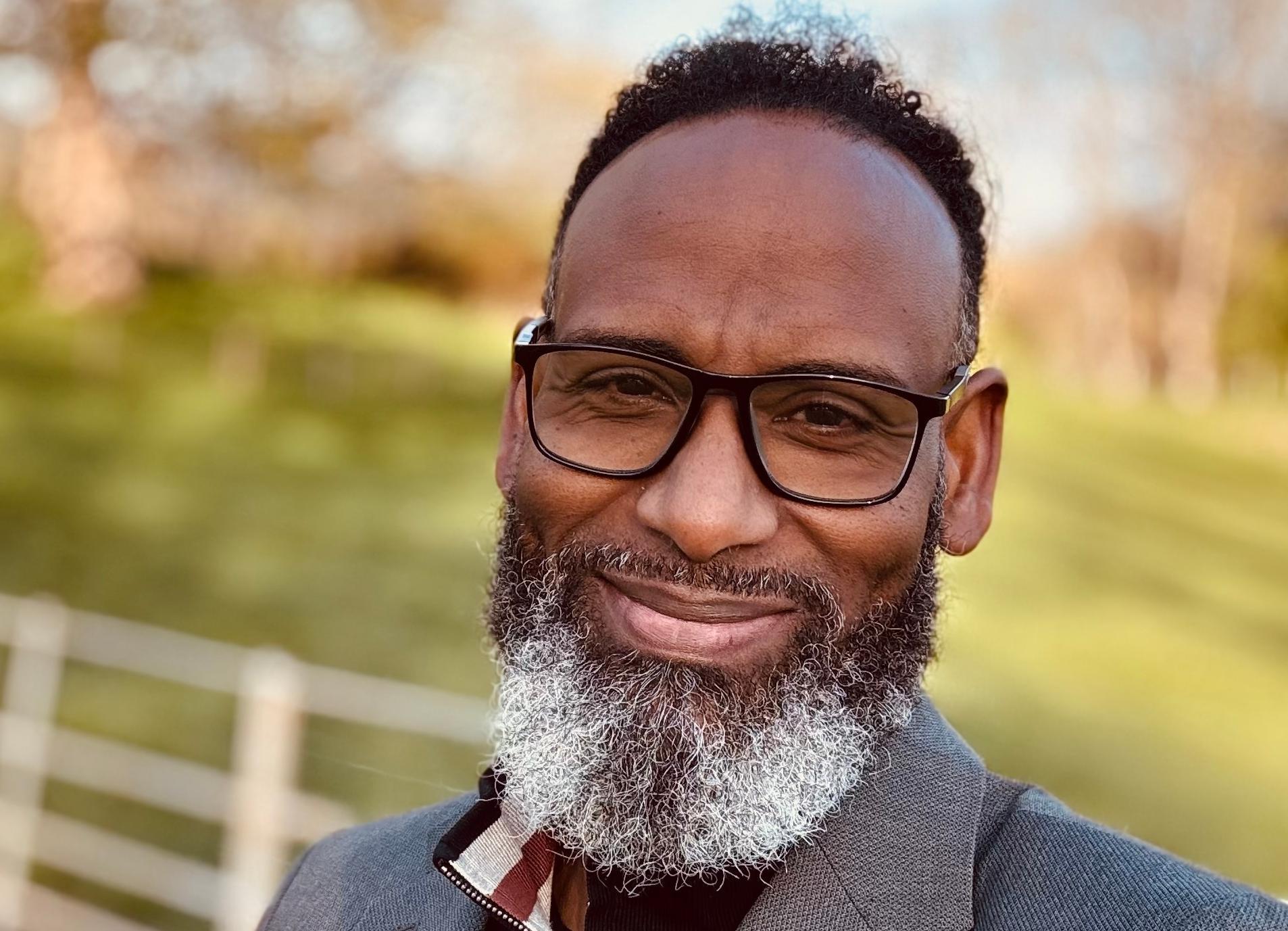
Moral injury as world disruption: Narrative identity, phenomenology and the crisis of mattering. To be held on Tuesday 2 June 2026 at 7pm BST | 2pm EDT.
In this session Richard La Fleur will extend current discussions of moral injury through the intersecting lenses of phenomenology, narrative disruption, and philosophy. While moral injury is frequently approached through psychological, theological, or clinical frameworks, this presentation argues that moral injury may also be understood as an existential disruption that fractures narrative continuity, alters one’s being-in-the-world, and destabilises the moral structures through which persons experience self, others, and future.
Drawing phenomenologically from Edmund Husserl and Martin Heidegger, he will examine how morally injurious experience disrupts the lived structures of temporality, embodiment, relationality, and worldhood. From a phenomenological perspective, guilt and shame are not treated merely as internal emotions or cognitive distortions, but as modes of disclosure through which the world itself becomes altered. Moral injury may therefore be experienced not only as psychological suffering, but as estrangement from one’s moral identity, community, vocation, and anticipated future.
Richard will also engage the moral and existential reflections of Primo Levi, particularly his exploration of shame, survival, witness, and what he described as the “gray zone” of moral ambiguity. Levi’s work offers an important philosophical and human context for understanding how persons struggle to narrate morally catastrophic experience when inherited ethical frameworks collapse under conditions of violence, betrayal, or institutional failure. His reflections illuminate how moral injury often persists as a crisis of meaning and selfhood long after the event itself has passed (moral lateness).
Extending this framework, Richard will explore the relationship between moral injury and intergenerational trauma. If moral injury disrupts narrative identity and moral worldhood, then unresolved moral suffering may also shape familial, communal, cultural, and institutional narratives across generations. Silence, shame, moral fragmentation, and unresolved grief may become implicitly transmitted through relationships, memory, and identity formation. In this sense, moral injury may not only wound individuals but alter the moral atmosphere inherited by subsequent generations.
Richard La Fleur is an Assistant Professor of Psychology at the University of West Georgia. His research interests are in the intersections of phenomenology, narrative inquiry, and veteran reintegration research. He has published widely on moral Injury, spirituality and mattering along with providing workshops for organisations fostering positive mental health and wellbeing.
Richard will be in conversation with Brian Powers, Executive Director of the International Centre for Moral Injury at Durham University.
Join us
All are welcome to attend. To receive the Zoom/Teams link, please register via Eventbrite.