

/prod01/prodbucket01/media/durham-university/90535-(1).jpg)
Soil
The SMART Soils team at Durham University are developing innovative solutions for healthier soils, supporting sustainable land management and changing how we value this vital resource.
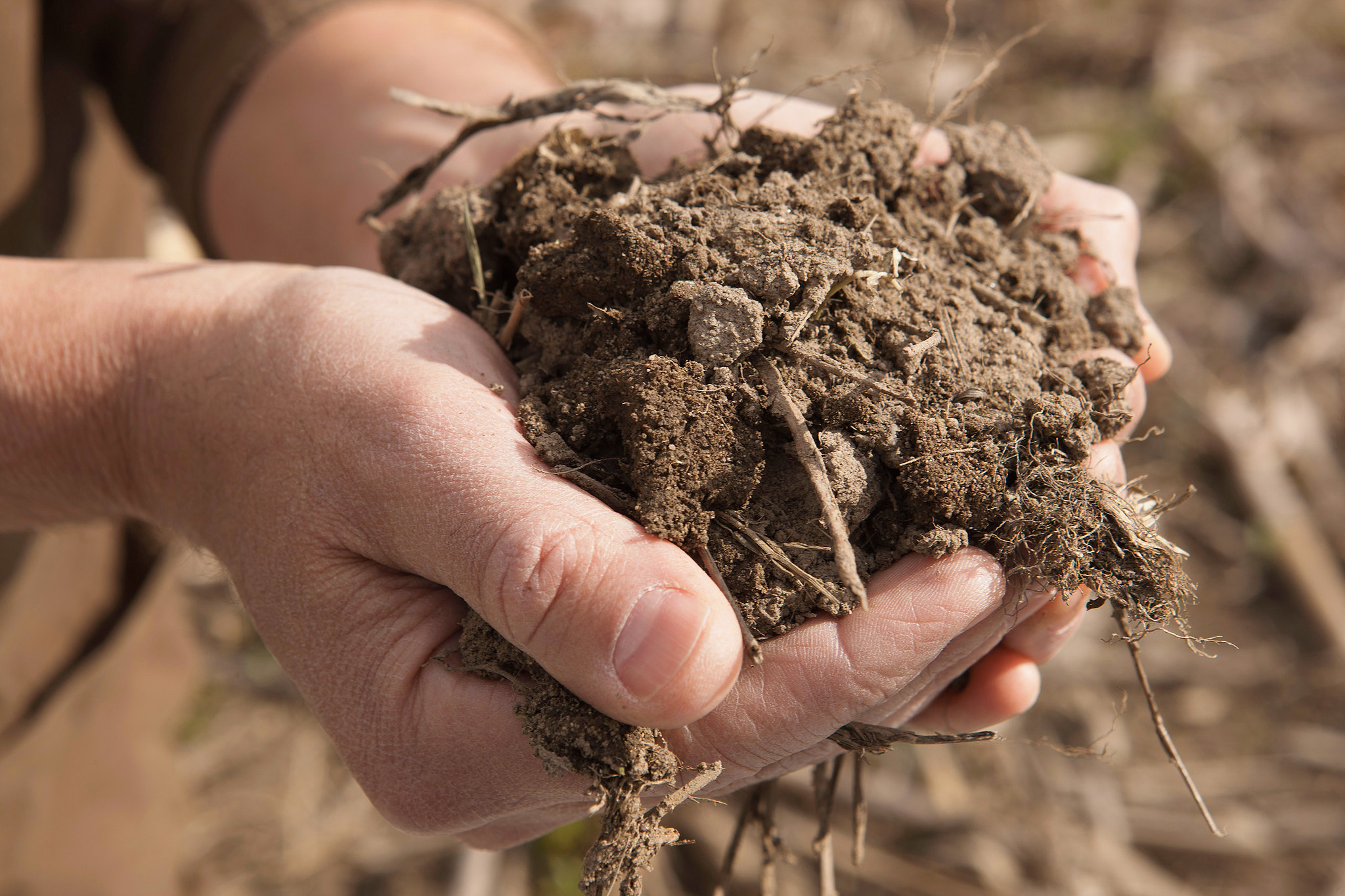

Watch our video
The SMART Soils team of experts are developing new soil and plant restoration technologies, helping us get the most from our soil. Watch our short video to find out more.
Find out more
Read on to for more about the Durham researchers who are seeking to change the game for our soils.
The nation that destroys its soil destroys itself.
US president, Franklin D. Roosevelt, gave us this stark warning in 1937. Almost a century later, soil degradation has become a major global challenge. The UN’s Food and Agricultural Organisation estimate that one third of the world’s soils have been damaged in the past fifty years and warning “the fate of our planet, from its ecosystems, natural resources, biodiversity, and people hinges on the state of its soils.”
Good soil is essential for food security, nutritious crops, carbon storage, flood resilience, and as a source of new antibiotics, microbial therapeutics, crop biotics, proteins, and genes. However, it takes thousands of years for our soils to form naturally. Unless we learn how to rebuild degraded soils and build new soils from scratch, the world will struggle to meet the UN’s Sustainable Development Goals. Our team are working to address this vital and urgent task.
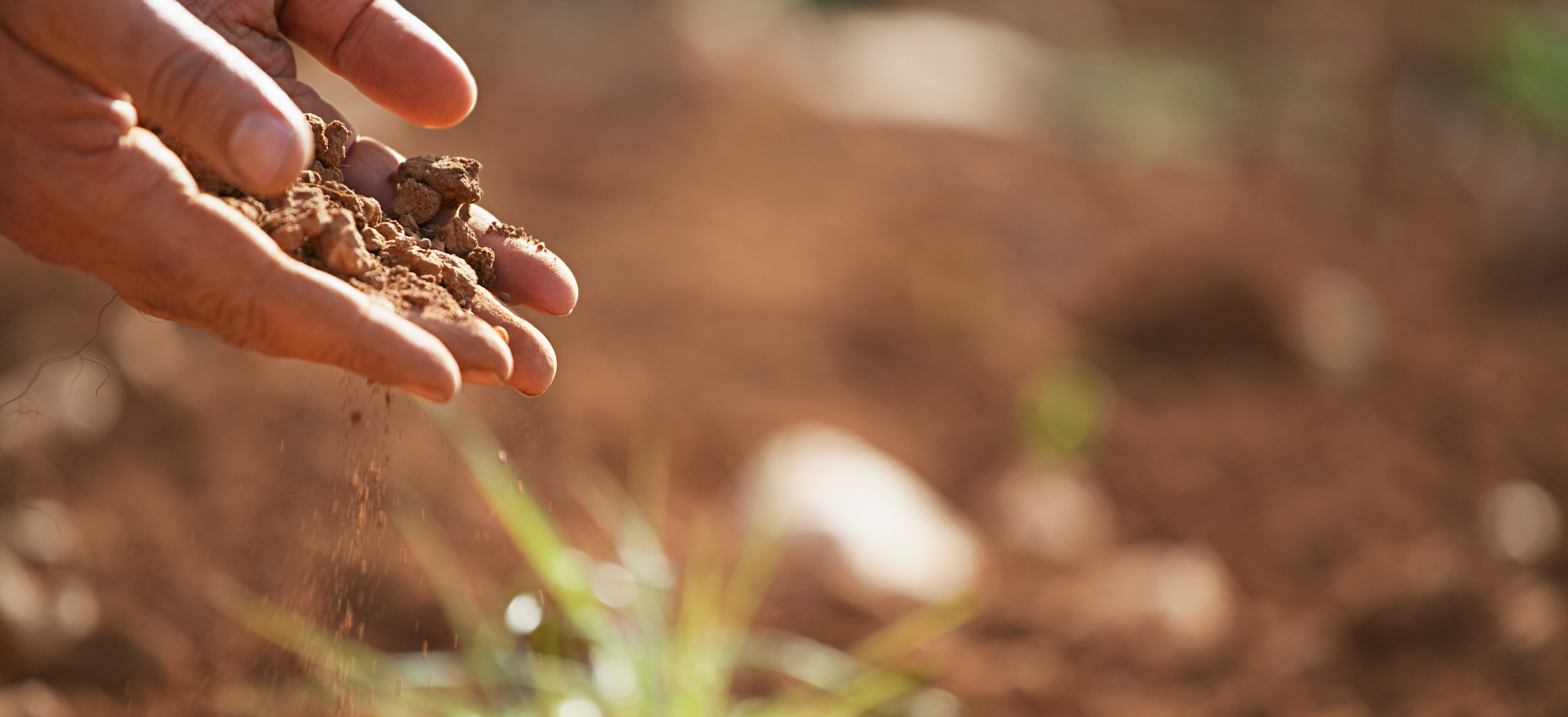
Soil as a living ecosystem
Durham University is world-leading in climate resilient infrastructure, soil health and crop science and now aims to be at the forefront of a globally significant new research field in nature-based environmental engineering. We challenge the misconception that soil structure is governed by physiochemical properties alone, with new understanding that soil is a living ecosystem with its microbiome key to its life-giving properties.
A nation that rebuilds its soils rebuilds itself.
Living Soils Research
The game-changing insight, which we need to understand and integrate across all sectors of society, is that soil is a living material. Durham is partnering experts from our Engineering, Biosciences, and Sociology departments, as well as staff from across four faculties, along with an array of local and international government, industry and academic partners, setting up a world-first, the Soil and Microbiome Augmentation and Restoration Technologies (SMART Soils) programme, led by environmental engineer Professor Karen Johnson.
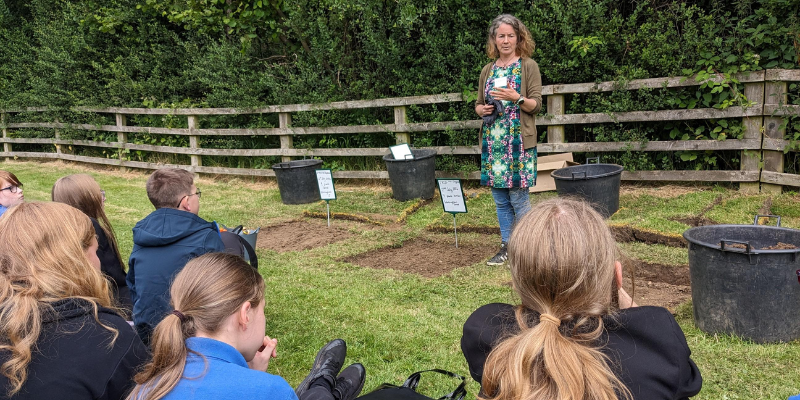
SMART Soils is now enabling environmental engineers and plant scientists to work with communities to design soil and plant restoration technologies - new tools which can optimise the ecosystem services that communities need. Working with social scientists will help promote a necessary shift in how society thinks about soil, towards an understanding that soil is living, and an ‘ethics of care’ approach, helping Government, communities and industry to sustainably manage land in both urban and rural environments.
Accelerating soil restoration
We do not have the time to wait for soils to rebuild naturally. Our soil engineering technologies will work in harmony with the soil microbiome to rebuild soils within a few years. We will add both organic and mineral materials to degraded soils to rebuild soil health. We will use materials that are often considered as ‘waste’ to rebuild soils but are in fact resources for the soil microbiome. Our aim is to put soils at the heart of the UK’s circular economy. Our rebuilt soils will be better at holding water, better at storing carbon, better for soil biodiversity and will produce more nutritious crops. We will use artificial intelligence to study our data. We hope that in future this will allow people from across the world to predict how to rebuild their own degraded soils.
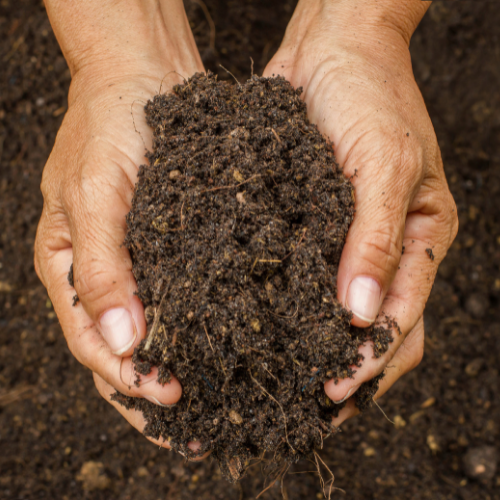
Soils education and policy
Arguably, the most crucial task for the 'Living Soils' team is to grow our wider awareness of soils and their importance across all areas of society, at every level, from governments, across the public and private sectors, and through our schools and higher educational institutions. We need cross-sector policies and practices that preserve soil, that align climate, nature and farming with construction engineering, water resource management, and urban planning. Soil-centric polices across these areas offer integrated, cost-effective solutions for departmental priorities in health, infrastructure, environment and education. We need to grow a common understanding that the choices we each make, and which affect soils at every level of life, can - and do - make a difference.
A nation that renews its soils renews its sense of purpose.
These words are from MP Dr Roz Savage MBE, host for a cross-party parliamentary round table discussion (8th September 2025) organised by our SMART Soils lead, Professor Karen Johnson and colleagues. The panel of experts from research, water infrastructure, construction, agriculture and land management all agreed that soil-centric approaches offer a genuine 'win-win' across multiple government priority areas. Adopting soil-centric approaches across these areas offers us a route to support and sustain a thriving and resilient economy, healthy and more productive workforce, and a healthy planet.
- Read more about this meeting and access the report: Parliamentary round table 8th Sept 2025

Showcasing the team behind the work
The people we are showcasing as part of “100 Faces of Science” illustrate the wide range of people involved in making this vision happen. We include academics from many disciplines, critical technical and professional staff who underpin the research, PhD students who have moved on to apply this knowledge in other places, and educationalists and commercial partners who could help to take the technology forwards.
Meet the experts
Meet the experts at the SMART Soils Lab, leading the way in innovative soil and plant restoration techniques to promote healthier ecosystems and sustainable land management.
Scroll to view all faces
/prod01/prodbucket01/media/durham-university/Soil_KJohnson.jpeg)
/prod01/prodbucket01/media/durham-university/Soil_CKeating-(1).jpeg)
/prod01/prodbucket01/media/durham-university/Soil_SCapisani-(1).jpg)
/prod01/prodbucket01/media/durham-university/Soil_TGwandu-(1).jpeg)
/prod01/prodbucket01/media/durham-university/Soil_MHunt-(1).jpeg)
/prod01/prodbucket01/media/durham-university/Soil_SChivasa-(1).jpeg)
/prod01/prodbucket01/media/durham-university/Soil_AKarimian.jpeg)
/prod01/prodbucket01/media/durham-university/Soil_EHawthorne.jpg)
/prod01/prodbucket01/media/durham-university/Soil_JKing_page-0001.jpg)
/prod01/prodbucket01/media/durham-university/Soil_PHughes.jpeg)
Discover new faces
Explore our other 100 Faces of Science themes and discover the incredible stories of people making a real-world impact across a wide range of fields. From sustainability and quantum research to AI and energy, each theme highlights the diverse talent driving innovation at Durham University.