/prod01/prodbucket01/media/durham-university/departments-/engineering/74202-5112X1676.jpg)
Current Research Projects
See below for some current selected projects of the Computational Mechanics Node.
WRENCH: Whispers of Time: Heritage as Narratives of Climate-Change
/prod01/prodbucket01/media/durham-university/departments-/engineering/node-webpages/cm/BP-Project2_Image1.png)
Braced Excavations: what about the corners?
/prod01/prodbucket01/media/durham-university/departments-/engineering/node-webpages/cm/CA-Project1_Image1.jpg)
/prod01/prodbucket01/media/durham-university/departments-/engineering/node-webpages/cm/MW-Project-1-img1.png)
/prod01/prodbucket01/media/durham-university/departments-/engineering/node-webpages/cm/QW-Project1_Image1.png)
/prod01/prodbucket01/media/durham-university/departments-/engineering/node-webpages/cm/QW-Project2_image1.png)
Offshore Cable Burial: How deep is deep enough?
/prod01/prodbucket01/media/durham-university/departments-/engineering/node-webpages/cm/WC-Project1_Image1.png)
/prod01/prodbucket01/media/durham-university/departments-/engineering/node-webpages/cm/ZU-Project1_Image1.png)
Decarbonisation of maritime transportation
/prod01/prodbucket01/media/durham-university/departments-/engineering/node-webpages/cm/ZU-Project2_Image1.png)
Optimising a novel biomimetic, fibre-hybrid 3D-woven composite
/prod01/prodbucket01/media/durham-university/departments-/engineering/node-webpages/cm/SS-Project1_Image1.jpg)
Generative design of metamaterials via MetaGenome initiative
/prod01/prodbucket01/media/durham-university/departments-/engineering/node-webpages/cm/SS-Project2_Image1.png)
META-NOVIB
/prod01/prodbucket01/media/durham-university/departments-/engineering/node-webpages/cm/images/JN1.png)
/prod01/prodbucket01/media/durham-university/departments-/engineering/node-webpages/cm/images/JN2.png)
/prod01/prodbucket01/media/durham-university/departments-/engineering/node-webpages/cm/images/JN3.png)
/prod01/prodbucket01/media/durham-university/departments-/engineering/node-webpages/cm/images/JN4.jpg)
/prod01/prodbucket01/media/durham-university/departments-/engineering/node-webpages/cm/images/picture-project.png)
____________________________________________________
WRENCH: Whispers of Time: Heritage as Narratives of Climate-Change
Contact: Dr Bartolomeo Panto
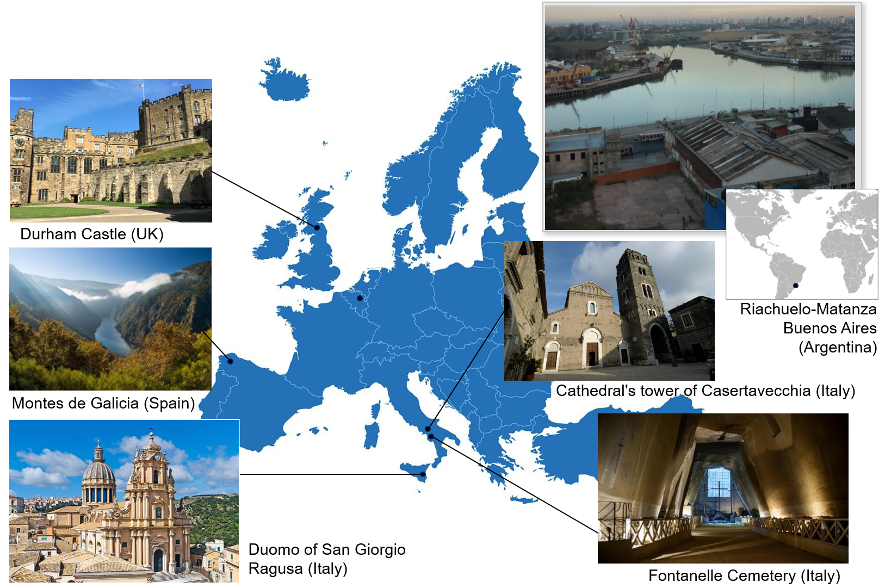
WRENCH aims to address the effects of climate change on tangible and intangible heritage while widening the mainstream understanding of heritage to include storytelling, narratives, and ephemeral legacies. Even more than ruination, abandonment, or major disruption, it is when it becomes mute, unable to tell any story that heritage is lost forever. WRENCH envisions heritage as both something at risk and something able to tell a story about the risk we are all running. Interpreting heritage as a key ingredient of community identities, WRENCH proposes to shift from a user-driven approach to a living heritage approach, that is, from a consumerist idea of heritage (something to be used by clients) to a citizens' idea of heritage (something to inhabit, co-create, and shape). WRENCH has the twofold goal of (a) developing a transdisciplinary methodology involving environmental sciences, engineering, and humanities to investigate the impact of climate change on tangible and intangible heritage; (b) employing heritage as storytelling tools to enhance awareness of climate change. This transdisciplinary innovative methodology will entail:- Applying advanced generation climate models to carry out data analysis related to climate change, including retrieving historical and future projections of hydro-meteorological variables. - Investigating the effect of extreme environmental conditions on historical materials, and structures by in-situ physical testing, development of rheological models accounting for them and advanced structural modelling. - Assessing the effect of climate change on immaterial heritage by historical methodologies and participatory research. - Developing a holistic framework for the evaluation of climate change on cultural heritage. Objective(b) is based on the capability of heritage to enhance climate change awareness through the use of innovative methods of representation, which will make visible the present and future impacts of extreme climate actions on heritage.
Publications
Braced Excavations: what about the corners?
Contact: Professor Charles Augarde
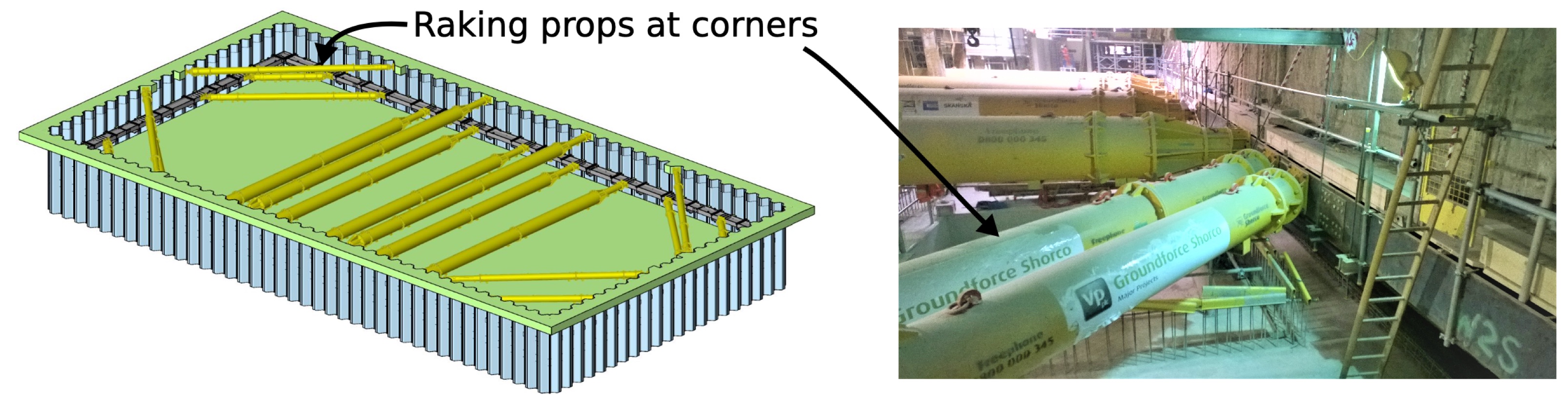
This is a four-year (2023-2027) EPSRC-funded (£1M +) project led by Durham with Dundee University as partners. The project’s aim is development of a new efficient computational tool to predict the behaviour of large braced excavations as commonly needed for the construction of metro stations. Computational modelling will be undertaken by Durham with experimental work for validation undertaken by Dundee. The project is supported by an oversight group comprising leading contractors and consultants from industry.
Mechanics and Design of Kirigami-Based Energy Dissipating Devices
Contact: Dr Martin Walker
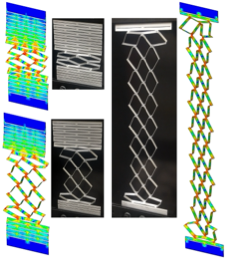
This EPSRC-funded project (EP/X040666/2) aims to translate the substantial body of fundamental research into kirigami mechanics to applications, specifically in structural engineering, by addressing the issues holding back the development of kirigami-based energy-dissipating devices, specifically the lack of predictive models and design methodologies for metallic kirigami structures. The results will then be applied to the design and testing of proof-of-concept devices for blast and earthquake protection of structures.
Intelligent monitoring for wind turbine drive train
Contact: Dr Qing Wang
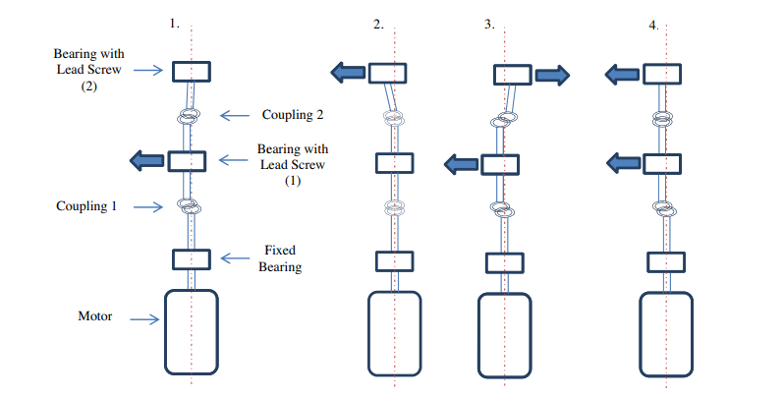
Wind turbines are widely used for sustainable energy generation. Drive train faults, such as shaft misalignment and gearbox failure, can cause huge economic losses or even personnel casualties. Researchers have installed various types of sensors and invented numerous methods to monitor the health condition of the drive train in wind turbines. However, most reported methods face two challenges. One is that most methods are not very transferable because they are designed for specific types of sensors and rely on expert knowledge. Another lies in the non-stationary signal processing methods failing and being unable to deal with unseen data patterns.
To address these two challenges, this project will focus on two areas: mining health monitoring knowledge from sensory data via deep learning and generalizing deep models to overcome working condition variation in wind turbine drive train monitoring. Three studies will be carried out: (1) learning fault indicative features from historical data; (2) extract features from time-frequency representations, so that sensory signals can be transformed into time-frequency images; and (3) enforce the model learning to minimise the differences in features brought by work condition changes of the wind turbine.
Related Publications:
Investigating the measurement of offshore wind turbine blades using laser radar
Contact: Dr Qing Wang
Blades of large–scale offshore wind turbines have high geometric dimensional precision requirements which need to be inspected during the production stage to ensure designed geometrical tolerance specifications are satisfied. In the inspection procedure, aligning the computer-aided design (CAD) blade model to the measured blade data is integral to the measurement accuracy of the inspection. Minimizing the measurement error during inspection, through robust data alignment techniques, provides blade manufacturers with confidence in their manufacturing procedures, enabling the design and build of more complex and aerodynamically efficient blade profiles.
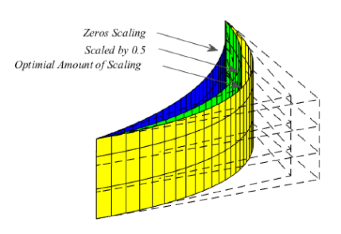
With advances in manufacturing capability over past decades, the use and accuracy of metrology within the industry has increased dramatically. In recent years, particularly as computational technology has developed, metrology inspection is increasingly being used to optimise products at the design phase, thus enabling a better understanding of the product that is being manufactured. This leads to challenges not only in the final inspection in the factory but also in measuring in-service or repair for re-qualification, because it is difficult to make a reliable measurement on such a large and unconstrained part. In this project the key characteristics that need to be measured, both in factory and field service, for a wind turbine blade are identified. The information will feed back to the blade designer to consider the aerodynamics in sections and review the blade geometry with the limit on tolerances. We also developed a measurement process to measure large unconstrained parts with the measurement need in mind.
Related Publications:
Offshore Cable Burial: How deep is deep enough?
Contact: Professor Will Coombs
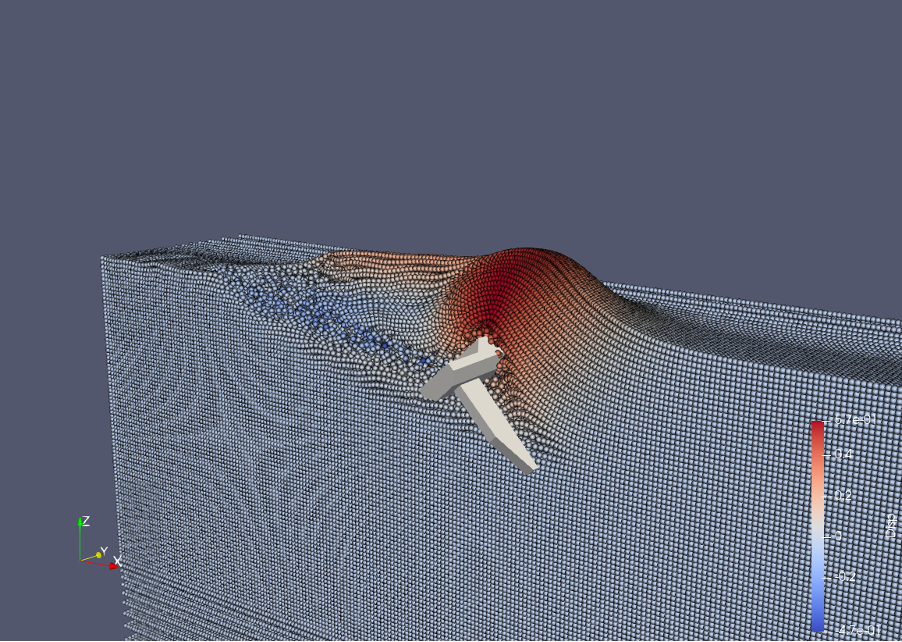
Offshore Wind (OSW) is critical for the UK's economy and energy security. It is also an area of huge investment, for example £14bn has been committed up to the end of 2021 for new OSW sites - the 4th largest construction programme in the UK. Beyond this, the UK's current 2030 OSW installed capacity targets will require £48bn of investment and provide direct employment for 27,000 people. Despite the growing maturity of the OSW sector, certain elements of the installed infrastructure remain problematic. Principally, problems associated with subsea power cables that transport and distribute the electricity generated offshore in wind turbine generators to the onshore transmission system currently account for 75% of the cost of all insurance claims and faults typically take 100+ days to rectify. This leads to breaks in supply and loss of revenue for the wind farm operator which in the long term can lead to longer payback periods and reduced investment elsewhere in their renewables portfolio. In shallow waters these cables must be protected from anchors and fishing gear and the primary protection method is to bury the cable below the seabed. The cable burial depth is a compromise between economic cost of burial (going deeper takes longer, requires larger ships and may require more complex operations) and risk to the cable being damaged by anchors/fishing gear penetrating the seabed. Within this context, anchor-cable interactions currently account for 85% of power cable failures. The planned rapid expansion of offshore wind around the UK - installed capacity increasing 7.5 times over the next 30 years - will require new cable installations within some of the busiest shipping/fishing waters in the world and it is essential that these new cables are installed at the appropriate depth. However, the industry currently lacks appropriate scientific tools to determine anchor penetration depths in different soil conditions. Instead they use simple look-up tables based on very broad descriptive classifications of the soils on the seabed that basically split the huge spectrum of real soil conditions into two categories - soft or hard. This approach has been shown to be highly conservative in some soils leading to unnecessarily deep (and costly) burial. However, it is clearly non-conservative in other conditions as anchor-cable interactions dominate cable failures. This project will tackle the lack of sound anchor penetration models head on and, through physical testing and computational modelling, develop a toolkit to assess anchor penetration in different soil conditions. This anchor penetration prediction tool will be based on the site investigation data typically available along cabling routes and avoid the use of over simplistic look-up tables. Its development will be guided by an industrial project steering group made up of key parties from the OSW sector. Crucially, this innovative anchor penetration model will be calibrated and validated using a geodatabase comprising actual site investigation data. Model performance will be assessed against proven, demonstrable ground conditions and therefore will not rely on hypothetical ground conditions which can be oversimplified using current cable burial assessment techniques (e.g. descriptive single-type soils that do not change with burial depths, as opposed to more complex, multi-layered soil types). In addition to the anchor penetration predictive tool, a number of spatial mapping layers (specific to the UK Continental Shelf) will be created, derived from the tool application to known ground conditions across the UK seafloor. These mapping layers will be made openly available, and are anticipated to feed into high-level spatial planning decisions at project concept stage. In summary, this project will provide an industry usable anchor penetration model allowing the OSW sector to answer the key cable burial question - how deep is deep enough?
Related Publications
-
See here for a list: https://wmcoombs.github.io/Cable-Burial/publications/
Multi-scale and multi-physics finite element modelling of fibre reinforced polymer composites for durability assessment
Contact: Dr Zahur Ullah
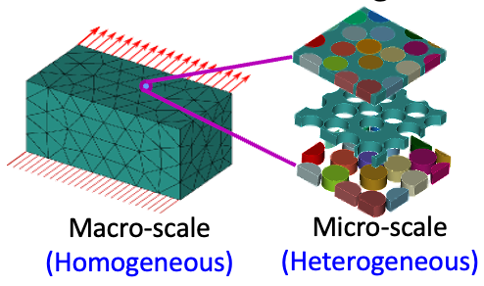
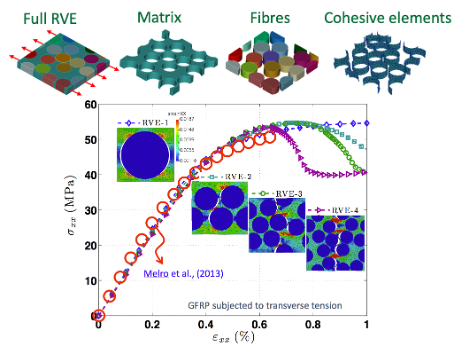
- Development of multi-scale and multi-physics finite element-based structural analysis tool for the prediction of the long-term durability of fibre-reinforced polymer composites subjected to harsh hygro-thermal environmental conditions in addition to mechanical loading.
- Use of cohesive zone model and elasto-plasticity to model the fibre-matrix decohesion and matrix failure respectively,
- Development of stochastic multi-scale finite element method and structural reliability tools for the quantification of uncertainty in the overall elastic properties and for the design of sustainable composite structures respectively.
Related Publications:
Decarbonisation of maritime transportation - a return to commercial sailing
Contact: Dr Zahur Ullah
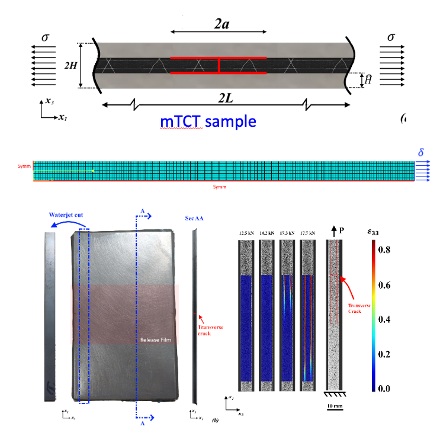
- Computational modelling and experimental aspects of fibre-reinforced polymer composites for marine applications.
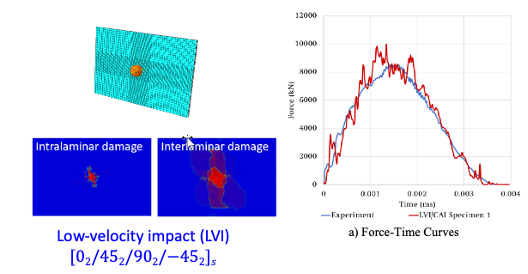
- Modelling and assessing the impact damage in efoil-powered composite marine structures
- Computational micromechanical modelling and application of artificial neural network (ANN) in the failure prediction of composite materials.
- Computational modelling and experimental characterisation of hybrid metal–composite laminates for bolted joints.
Related Publications:
- A three-dimensional Finite Fracture Mechanics model to predict free edge delamination in angle-ply laminates
- Probability embedded failure prediction of unidirectional composites under biaxial loadings combining machine learning and micromechanical modelling
- On the importance of finite element mesh alignment along the fibre direction for modelling damage in fibre-reinforced polymer composite laminates
Optimising a novel biomimetic, fibre-hybrid 3D-woven composite
Contact: Dr Stefan Szyniszewski
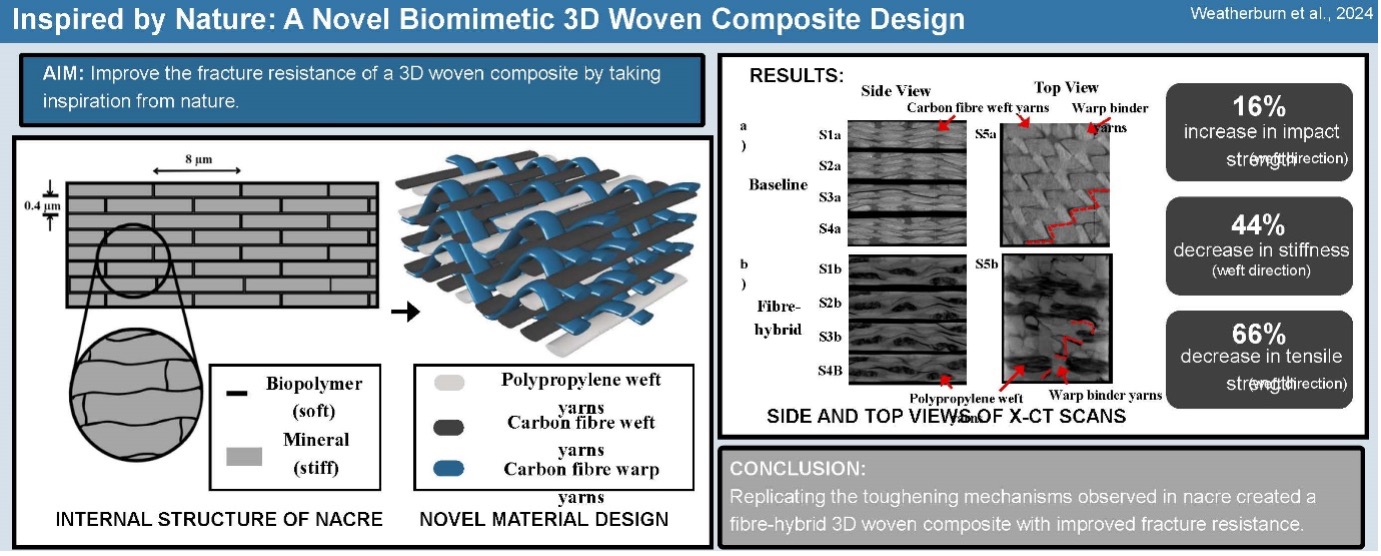
This project develops a novel methodology to model fracture behaviour in fibre-hybrid 3D woven composites, addressing challenges posed by their complex structures. Unlike previous studies focused on single-fibre composites or simplified models, this work utilises high-fidelity finite element simulations to closely replicate experimental fracture behaviour. 3D woven composites offer superior properties, including improved strength, fracture toughness, and damage tolerance, but their industrial adoption is limited due to high complexity. The advanced model created here aims to drive innovation and facilitate the broader use of 3D woven composites across industries.
Related Publications:
Generative design of metamaterials via MetaGenome initiative
Project Webpage: https://meta-genome.org
Contact: Dr Stefan Szyniszewski
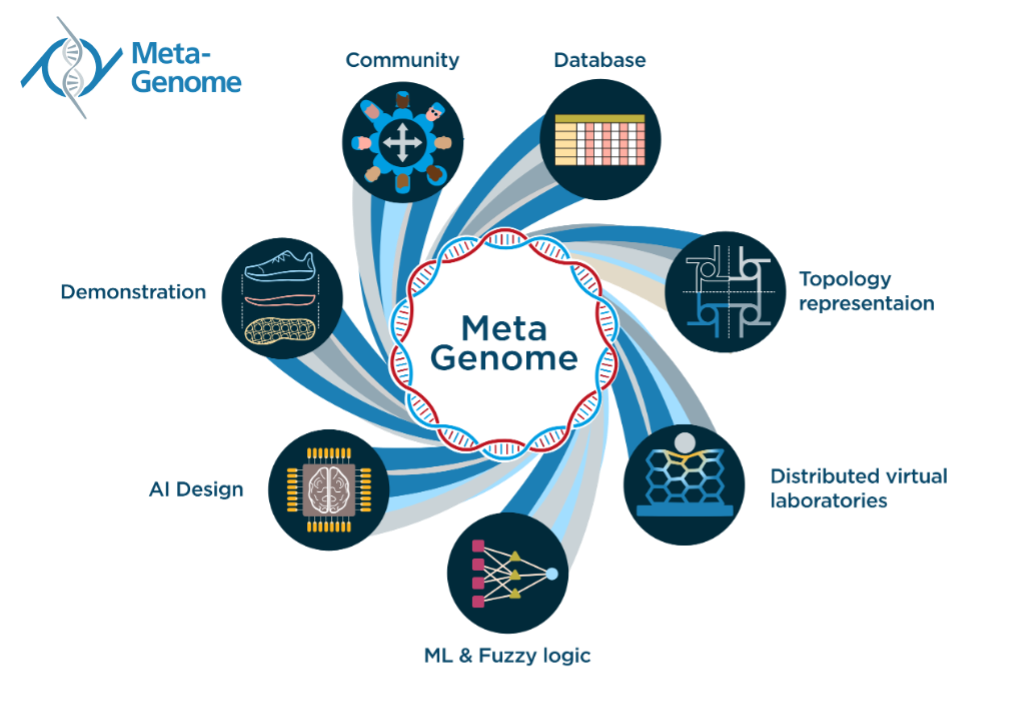
The MetaMaterials Genome project aims to transform how we design advanced materials by combining artificial intelligence (AI) and physics-based modelling. By creating a shared, open platform for researchers and industry, the project tackles the problem of scattered and underused data, enabling easier collaboration and faster innovation. Using AI tools and techniques like transfer learning and surrogate models, it helps identify and optimise new material designs more efficiently while ensuring they are practical and manufacturable. This initiative lays the groundwork for a secure, sustainable, and collaborative ecosystem that accelerates breakthroughs in metamaterials.
META-NOVIB: Digital twin for ground-borne railway-induced NOise and VIBration control with METAmaterials in underground tunnels
Contacts: Professor Jelena Ninic, Dr Hassan Liravi
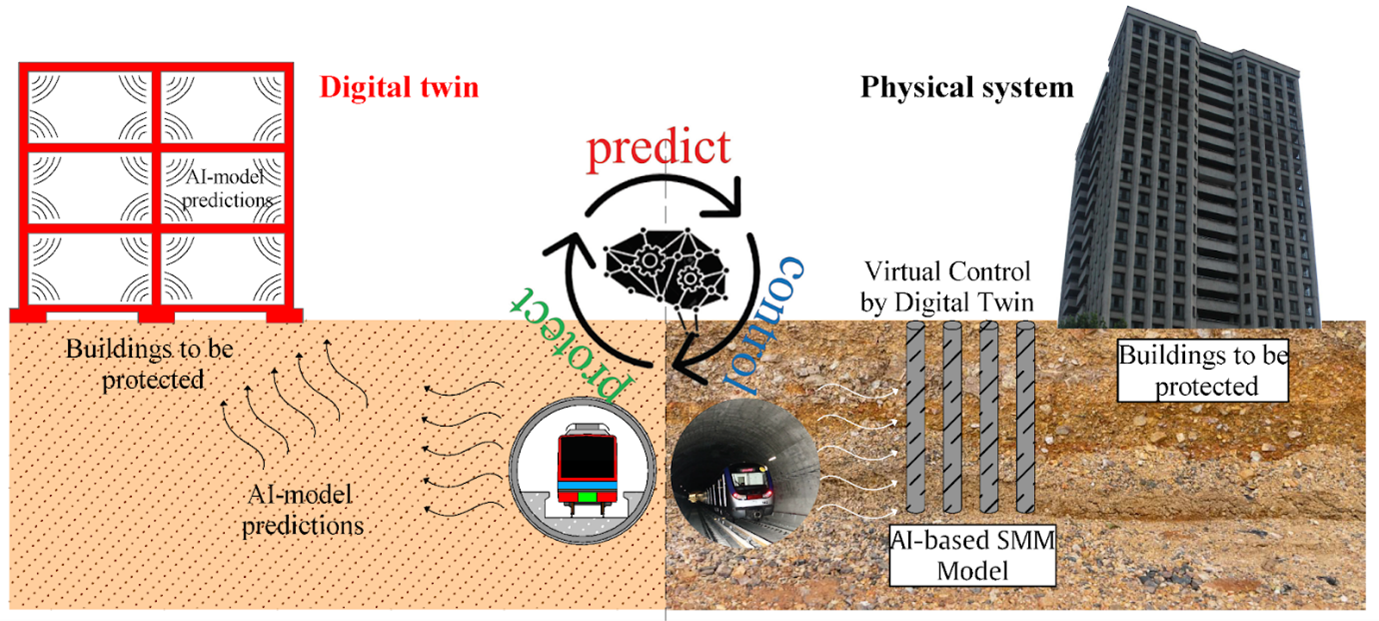
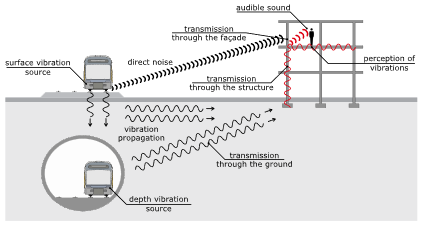
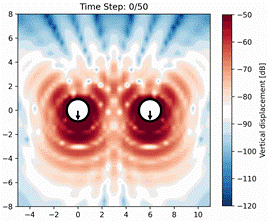
Nowadays, comfort is a design requirement of all structural products that guarantees the quality and competitiveness. Noise constitutes a significant form of environmental pollution that impacts the lives of hundreds of millions of people globally, leading to various socio-economic consequences. Intense vibration has the potential to jeopardise both the structural integrity and the performance of equipment and hardware, and produce significant level of noise thereby affecting the comfort of individuals in several aspects. Subways represent a primary source of ground-borne noise and vibration in urban areas. Over 7.5 million Europeans face potential disturbance from railway noise and vibrations. In response to public concerns, governments have established laws and regulations to limit the permissible exposure of citizens and facilities to ground-borne noise and vibration. The goal of the META-NOVIB project is to develop a comprehensive framework to effectively predict and control the vibration and noise induced by underground railway tunnels using digital twin technology supported by machine learning tools. This system provides valuable insights for engineering decisions throughout the operation and maintenance of these tunnels. Additionally, it evaluates the performance of metamaterials in attenuating the level of noise and vibration to meet the allowable limit. META-NOVIB will provide an integrated platform for visualisation and real-time prediction and virtual control of the railway-induced noise and vibration during the operation and the maintenance phase. Thus, the output will have wide implications on the health of nearby residents due to vibrations and prevent any structural damage to historical buildings or structures, with high academic and industrial impact.
Related publications
- H. Liravi, A. Alizadehshiraz, S. Kaewunruen, J. Ninic. "A coupled FEM–SBM methodology for dynamic interaction of multiple structures and soil". Computers and Geotechnics. Volume 191, March 2026, 107816
- Colaço, H. Liravi, P.J. Soares, J. Ninic, P.A. Costa. "Ground-borne noise and vibrations induced by railway traffic: impact, prediction, mitigation and future perspectives". Vibration 2025, 8(4), 73.
- Liravi, F.X. Bécot, S. Kaewunruen, J. Ninic. Surrogate model-based multi-objective Bayesian optimisation of porous acoustic barriers. Engineering with Computers. 2025, pp. 1–28.
- Liravi, J. Fakhraei, S. Kaewunruen, Z. Fu, J. Ninic. A meshless numerical method for optimised design of buried structures in elastic medium. Computers and Geotechnics. Volume 183, July 2025,107222.
- Liravi, J. Fakhraei, S. Kaewunruen, S. Colaço, J. Ninic. "Bayesian Optimisation of Underground Railway Tunnels Using a Surrogate Model’, Data-Centric Engineering. 6: e32, 2025.
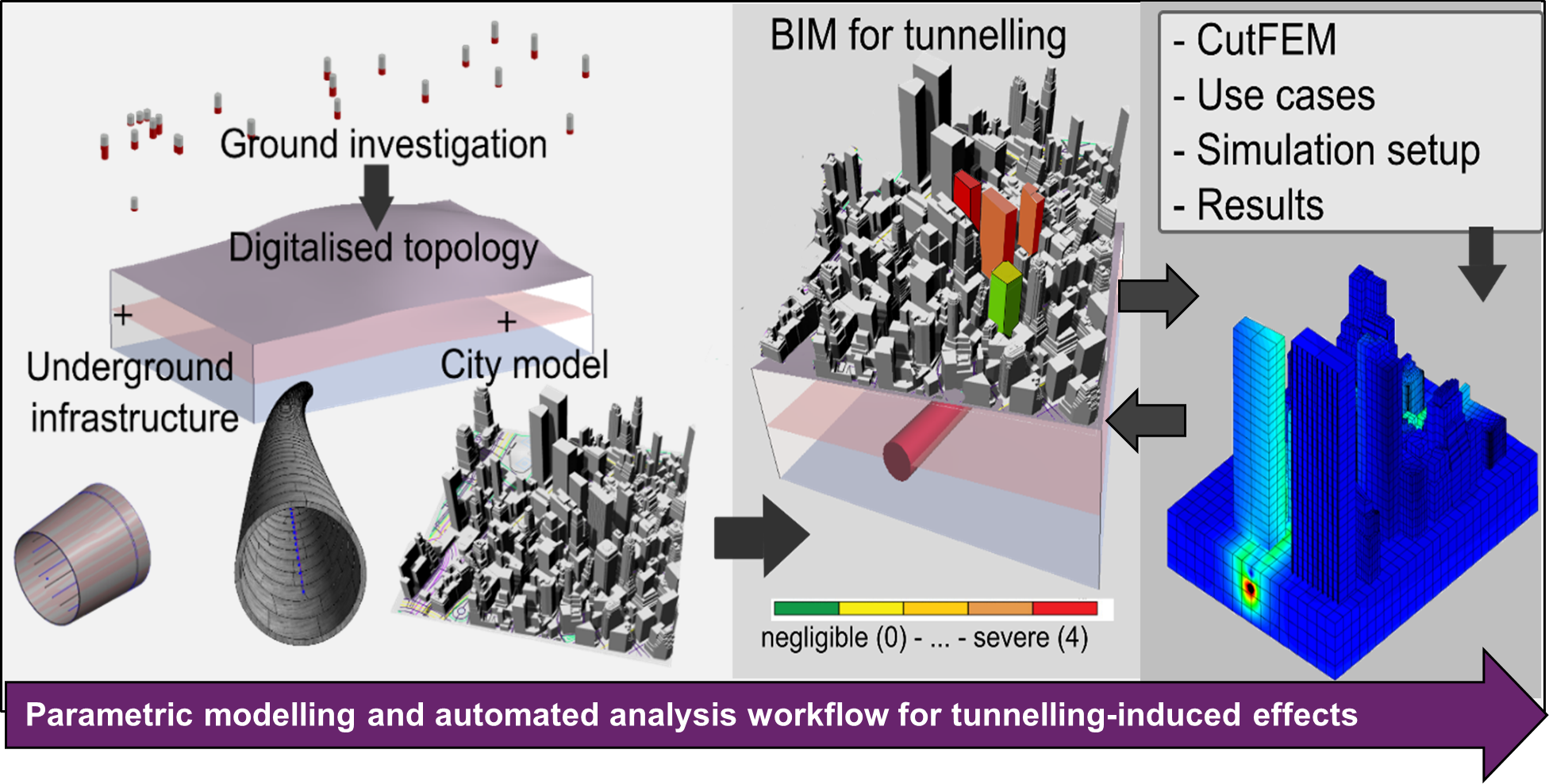
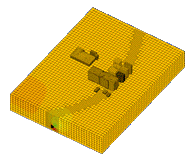
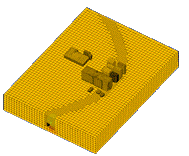
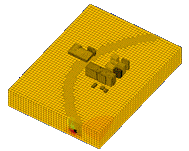
TwinSSI: Digital Twin Modelling for Soil-Structure-Interaction based on CutFEM and BIM technologies
Contacts: Professor Jelena Ninic, Dr Hoang Giang Bui
The central requirement of project safety, stability, and resilience of complex underground systems leads to demands for more efficient computational modelling tools to assist design and decision-making during the project life cycle. The concept of Digital Twins (DTs) provides a robust solution to monitor a construction project during its life cycle, predict its behaviour based on integrated holistic computational models, and protect it from hazards by virtually controlling the physical processes with its digital counterpart. Leveraging the power of a computational framework based on CutFEM combined with a BIM platform incorporating CAD-based data, the TwinSSI project will develop a comprehensive DT for underground design and construction. To validate the computational framework, experiments of tunnel-soil-structure interaction will be conducted. Moreover, the developed DTs will be applied to real case studies co-created with the industrial partners Network Rail and Maidl Tunnel consultants. The TwinSSI project will thus, for the first time, create and validate detailed DTs in the domain of soil-structure interaction modelling. The project outcomes will lead to a new paradigm for project planning and monitoring by geotechnical engineers.
Related publications
- H.-G. Bui, B.-T Cao, J. Ninić, M. Nörges. and G. Meschke " Automatic Integration of Building Data into Large-Scale Numerical Simulations". Results in Engineering, Volume 26, June 2025, 105212, https://doi.org/10.1016/j.rineng.2025.105212
- H.-G. Bui, J. Ninić, and G. Meschke " Implicit Sub-stepping Scheme for Critical State Soil Models". Engineering with Computers, 2025. Revision. arxiv: https://doi.org/10.48550/arXiv.2504.17476
Maintenance-oriented Digital Twin for Underground Infrastructure with Sensing, Machine Learning, BIM and Simulation
Contacts: Professor Jelena Ninic, Dr Huamei Zhou
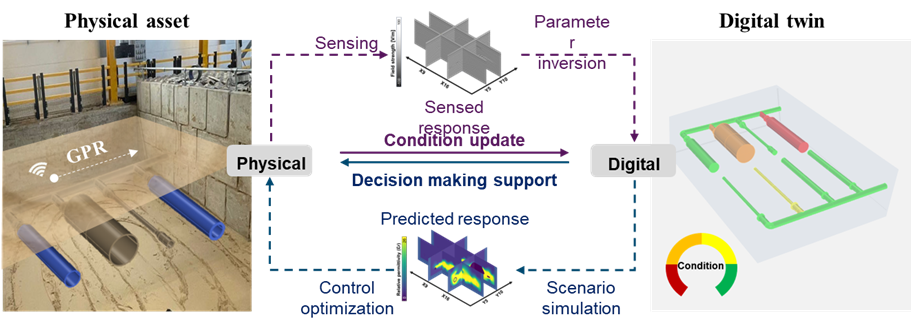
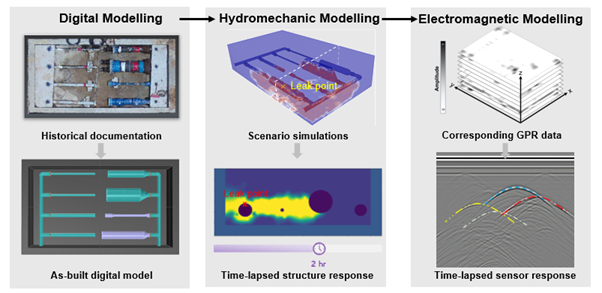
As buried pipelines face increasing maintenance challenges due to ageing, climate change, and infrastructure deterioration, failures can lead to severe economic losses and public safety risks. The M-Twin4US project aims to develop a novel, maintenance-oriented Digital Twin (DT) platform tailored for buried pipelines, with the flexibility to expand to other underground infrastructure. M-Twin4US will integrate advanced sensing technologies, Ground-Penetrating Radar (GPR) and closed-circuit television (CCTV), with state-of-the-art machine learning methods like Multi-task Transformers and Segment Anything Models (SAM). The project will address critical challenges in soil-pipe interaction analysis, GPR response prediction, and condition assessment by coupling digital modelling, machine learning, numerical modelling (hydro-mechanical and electromagnetic modelling) and real-scale testing. The project will develop a customisable surrogate model to predict future pipeline performance and offer an AI-aided toolkit for stakeholders to prioritise actions such as rehabilitation, excavation, or new construction. The project is implemented in collaboration with key industry partners Severn Trent Waters and Cambridge Centre for Smart Infrastructure and Construction and will contribute to transforming underground infrastructure maintenance from a reactive to a proactive paradigm, supporting sustainability, safety, and resilience goals.
Related publications
- H. Zhu, Y. Zhou, F. Xiao, J. Ninic, W. Lai, Q.-b. Zhang. Automating dense GPR simulations for C-scan imaging of subsurface infrastructure: Pipe leakage case study. Automation in Construction.184, April 2026, 106828. https://doi.org/10.1016/j.autcon.2026.106828
Physics-Informed Modular Digital Twin for Real-Time Prediction in Mechanized Tunnelling
Contacts: Professor Jelena Ninic, Dr Maziyar Bahri
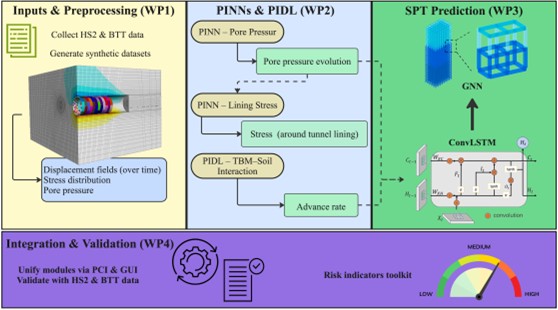
As buried pipelines face increasing maintenance challenges due to ageing, climate change, and infrastructure deterioration, failures can lead to severe economic losses and public safety risks. The M-Twin4US project aims to develop a novel, maintenance-oriented Digital Twin (DT) platform tailored for buried pipelines, with the flexibility to expand to other underground infrastructure. M-Twin4US will integrate advanced sensing technologies, Ground-Penetrating Radar (GPR) and closed-circuit television (CCTV), with state-of-the-art machine learning methods like Multi-task Transformers and Segment Anything Models (SAM). The project will address critical challenges in soil-pipe interaction analysis, GPR response prediction, and condition assessment by coupling digital modelling, machine learning, numerical modelling (hydro-mechanical and electromagnetic modelling) and real-scale testing. The project will develop a customisable surrogate model to predict future pipeline performance and offer an AI-aided toolkit for stakeholders to prioritise actions such as rehabilitation, excavation, or new construction. The project is implemented in collaboration with key industry partners Severn Trent Waters and Cambridge Centre for Smart Infrastructure and Construction and will contribute to transforming underground infrastructure maintenance from a reactive to a proactive paradigm, supporting sustainability, safety, and resilience goals.
-------------------------
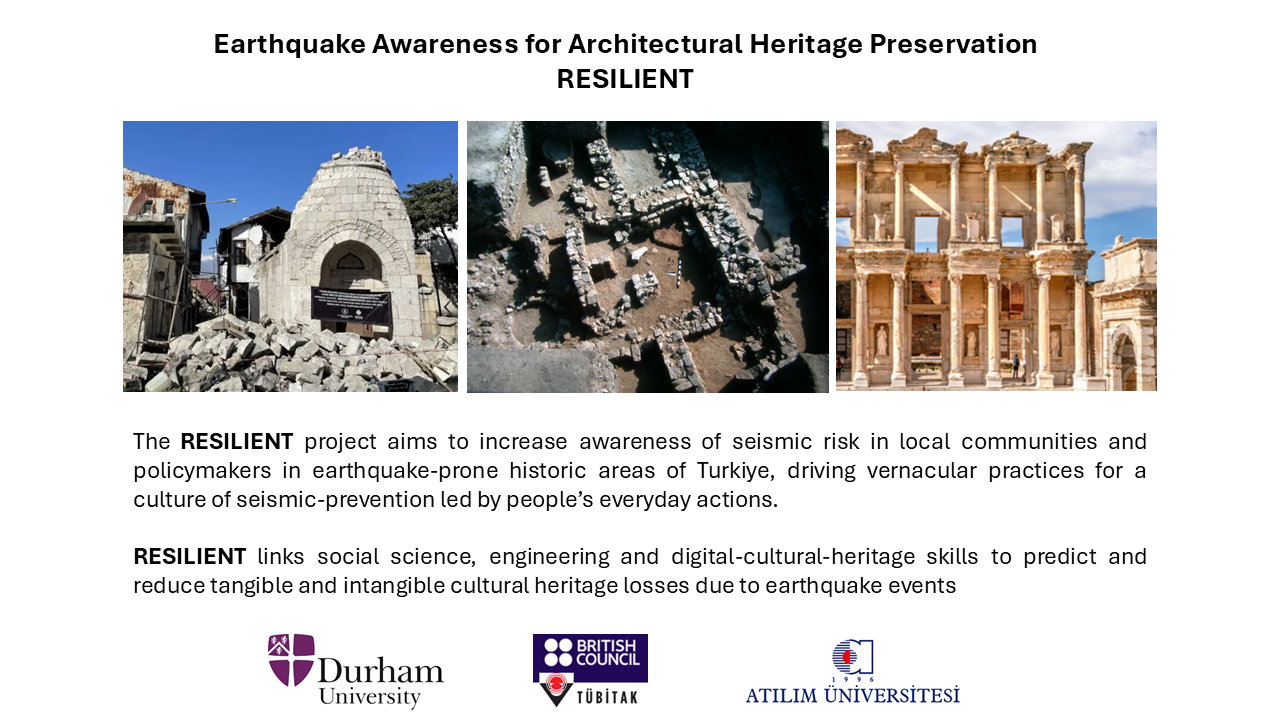
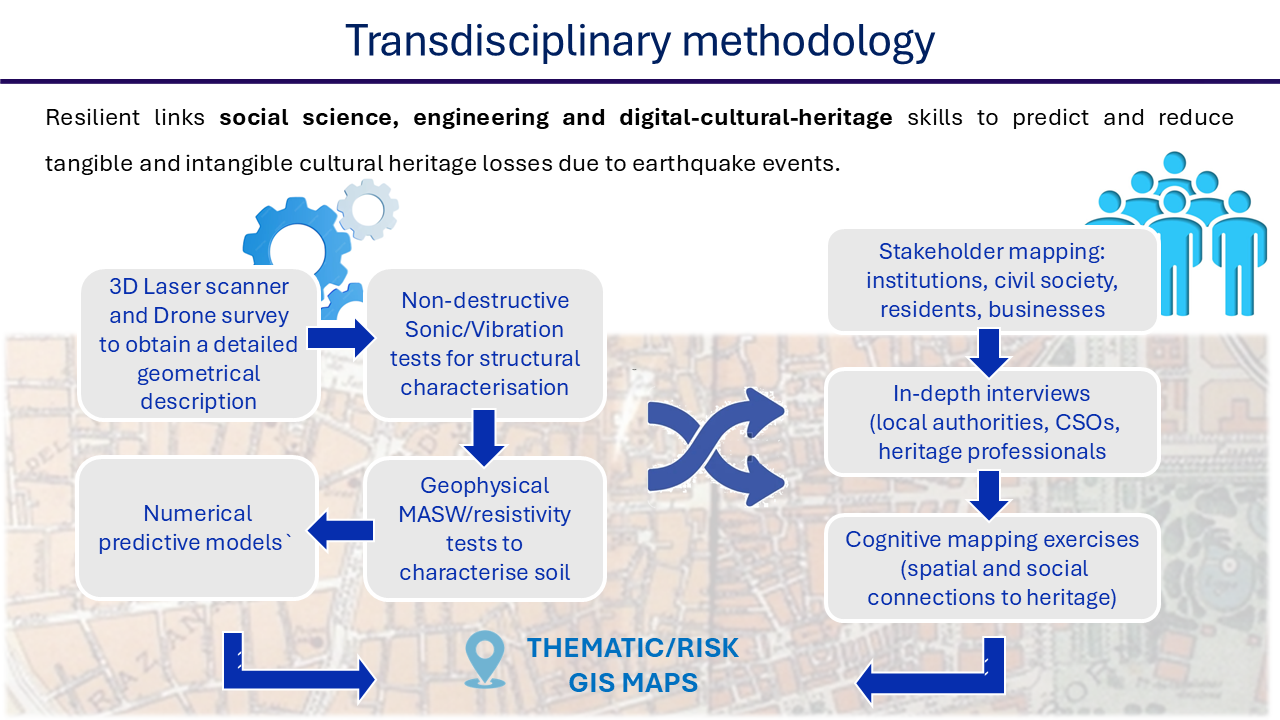
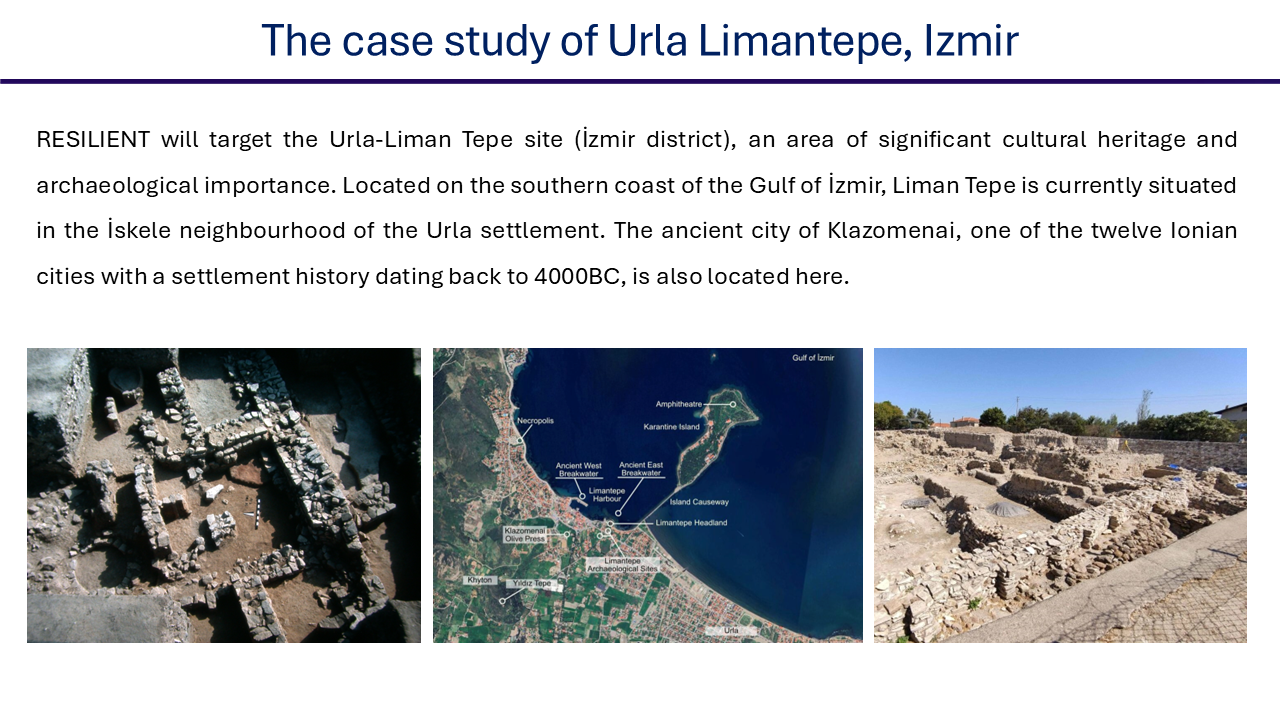
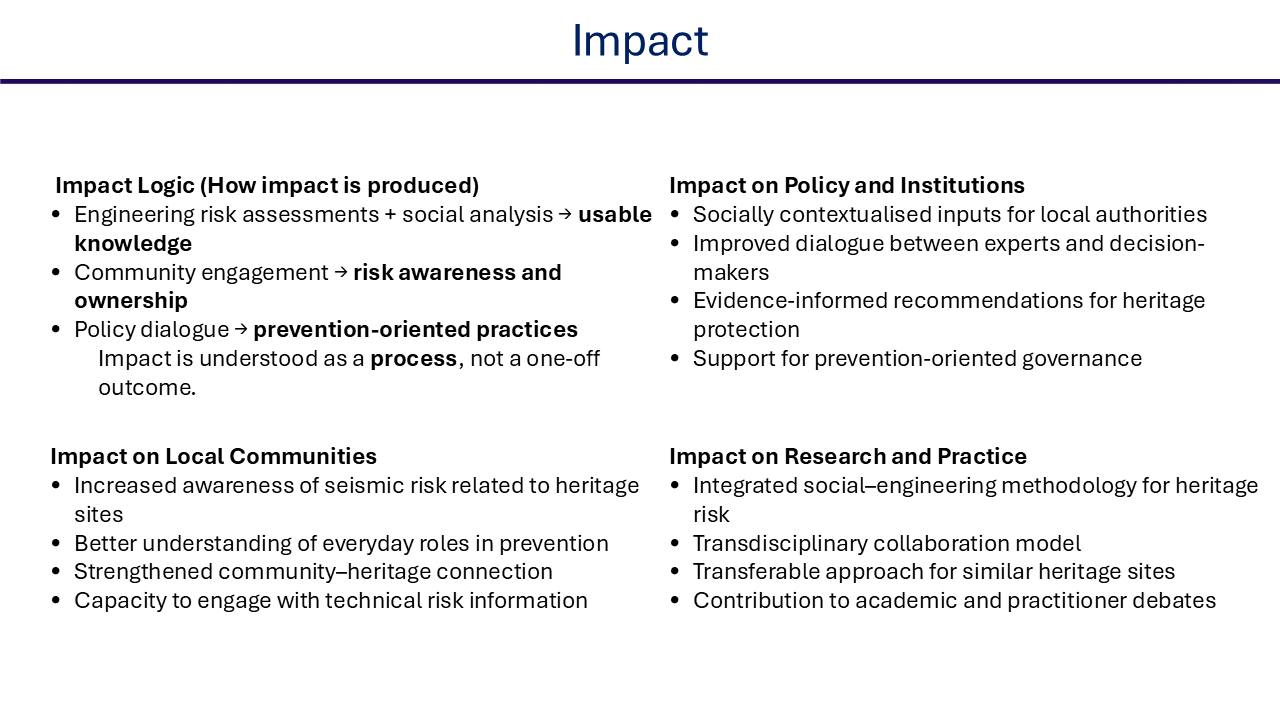
Earthquake Awareness for Architectural Heritage Preservation: RESILIENT
Contact: Dr Bartolomeo Panto
Webpage: RESILIENT